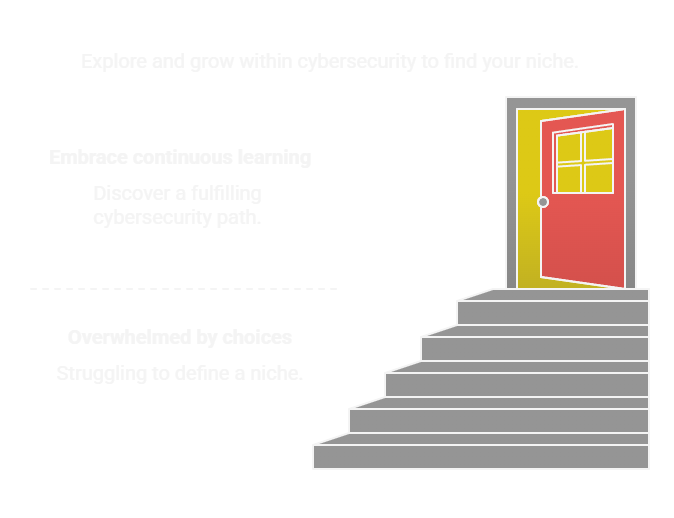
Finding Your Niche in Cybersecurity: It’s Okay to Explore


So, you’ve decided to dive into the cybersecurity world. Welcome! It’s a field that’s as dynamic as it is rewarding, with opportunities ranging from ethical hacking to governance, risk, and compliance (GRC). But here’s the big question that trips up a lot of people starting out: How do I find my niche?
Let me let you in on a little secret—you don’t have to find the perfect fit right away. In fact, it’s completely okay to hop from one niche to another. Cybersecurity isn’t a one-size-fits-all career, and that’s one of the reasons it’s so awesome.
Why Choosing a Niche Feels Overwhelming
Cybersecurity is a vast field. You’ve got penetration testing, threat intelligence, security engineering, cloud security, incident response, and so much more. It’s like walking into a buffet with too many delicious options. Where do you even begin?
A lot of us start with what sounds coolest or most lucrative. Maybe you’ve seen pen testers in action in movies and want to deliver the classic line "I'm in", or you’re drawn to the idea of becoming a digital forensic investigator because, let’s face it, it’s a little like being a real-life cyber detective. But here’s the thing: You don’t need to commit to a specific path right away.
Why It’s Okay to Switch Things Up
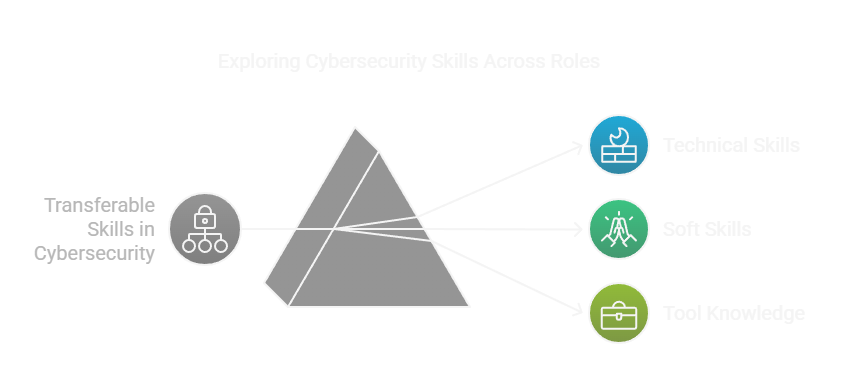
One of the best things about cybersecurity is how interconnected it all is. The skills you pick up in one role can often be transferred to another. Let’s break this down:
- Technical Skills: Understanding how networks work is valuable whether you’re a pen tester or a SOC (Security Operations Center) analyst. Knowing how attackers think can make you a better defender, and vice versa.
- Soft Skills: Communication, problem-solving, and teamwork are universal. Whether you’re explaining vulnerabilities to a non-technical audience or collaborating with other IT teams, these skills are always in demand.
- Tool Knowledge: The tools you learn—like SIEM (Security Information and Event Management) platforms, vulnerability scanners, or forensic analysis tools—tend to show up across different roles.
By hopping between niches, you’re not starting over; you’re building on a solid foundation. You’re broadening your perspective and, ultimately, becoming a more versatile cybersecurity professional.
Real Talk: Exploring Doesn’t Mean You’re Flaky
It’s easy to feel like you need to pick a niche and stick to it forever. Maybe it’s the pressure of crafting the perfect LinkedIn profile or the fear of looking indecisive to potential employers. But here’s the truth: The industry values adaptability. In fact, many hiring managers appreciate candidates who’ve explored different areas because it shows curiosity and a willingness to learn.
Switching things up isn’t about being flaky; it’s about growth. Each role you try out gives you a unique perspective that you can carry into the next one. And who knows? That diverse background might just make you the perfect fit for your dream job down the road.
Tips for Finding (and Re-Finding) Your Niche
If you’re just starting out or considering a change, here are a few tips:
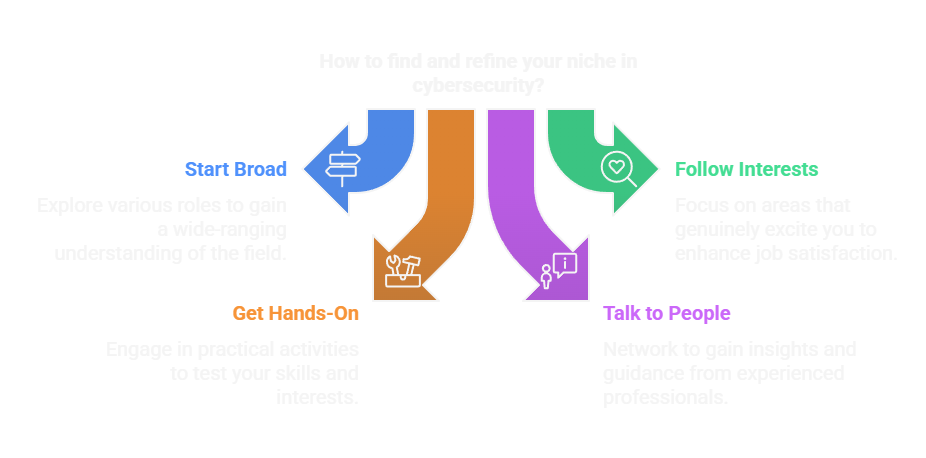
- Start Broad: Take a generalist approach at first. Try roles or internships that expose you to different areas of cybersecurity.
- Follow Your Interests: Pay attention to what excites you. If you find yourself geeking out over malware analysis or automating tasks with Python, lean into that.
- Get Hands-On: Labs, certifications, and side projects are great ways to test the waters without making a huge commitment.
- Talk to People: Networking can be a game-changer. Reach out to professionals in the field and ask about their experiences. Sometimes, hearing someone’s day-to-day can help you figure out what aligns with your interests.
- Don’t Fear Change: If a niche isn’t working out, it’s okay to pivot. Your experience isn’t wasted—it’s part of your journey.
Resources to Help You Explore Further
Here are some great resources to help you get started or explore new areas of cybersecurity:
- TryHackMe (tryhackme.com): Hands-on labs and learning paths for beginners and professionals alike.
- OWASP (owasp.org): A great resource for web application security and learning about common vulnerabilities.
- LinkedIn Learning (linkedin.com/learning): Offers beginner-friendly and advanced courses on cybersecurity fundamentals and specialized topics.
- Hack The Box (hackthebox.com): A platform to practice penetration testing and challenge your skills.
- Local Meetups and Conferences: Check out platforms like Meetup or Eventbrite for cybersecurity events near you. Networking can open doors and provide insights you won’t find in online resources.
Embrace the Journey
Finding your niche in cybersecurity isn’t about making the “right” choice—it’s about exploring, learning, and growing. The skills you gain along the way will almost always be transferable, so don’t stress about locking yourself into one path too soon.
Remember, it’s not a race. Take your time, enjoy the process, and don’t be afraid to try new things. After all, the beauty of cybersecurity is that there’s always something new to discover.